Surgeon Reports

Decreasing Complications in Immediate Breast Reconstruction

Breast cancer is the most common malignancy in women and over 180,000 women will be diagnosed with this disease in 20081. Although most have the option to pursue breast conservation (lumpectomy), many will opt for mastectomy (complete breast removal) and the incidence of this procedure has doubled over the past ten years in some series2. For patients undergoing mastectomy, the current standard of care includes breast reconstruction commonly using implants (prosthetic reconstruction) or in some cases the patients own tissue (autologous reconstruction). Last year, over 57,000 breast reconstructive procedures were performed in the United States3. These reconstructive procedures can be performed at either the time of mastectomy (immediate reconstruction) or later (delayed reconstruction).

Current teaching in plastic surgery strongly favors immediate reconstruction in patients with breast cancer (unless radiation will be needed). The reasons for this are both psychological (with immediate reconstruction the patient never experiences the loss of the breast) and technical (immediate reconstruction preserves the breast skin envelope, reduces scarring and yields a superior cosmetic result). However, immediate breast reconstruction is associated with significantly higher complication rates (50- 52%) than delayed procedures (32-36%), especially when a prosthetic (implant) technique is used4,5.

The actual complications that occur are different for prosthetic and autologous reconstruction. For prosthetic reconstructions, the most significant early complications include necrosis of the mastectomy skin flaps, infection, delayed wound healing and exposure of the implant. The incidence of these complications varies in published series but ranges between 10% and 40%4,5,6,7. For autologous reconstructions (such as transverse rectus abdominis myocutaneous (TRAM) flaps and deep inferior epigastric (DIEP) flaps) the total complication rates range between 23% and 43%8. The most catastrophic complication for autologous techniques is vascular pedicle thrombosis which occurs up to 6% of the time and will lead to a complete failure if not recognized promtptly9,10. Regardless of failure mode, complications in immediate breast reconstruction lead to delays in adjuvant treatment (chemotherapy and radiation) because of nonhealing wounds. These complications often require hospitalizations and repeat procedures and increase the overall cost of the reconstruction itself.

The majority of the complications of immediate reconstruction can be traced back to a failure of perfusion at either the microcirculatory level (mastectomy flap necrosis, nonhealing wounds) or macrocirculatory level (anastomotic thrombosis, inadequate perforators/ fat necrosis). The one exception to this is capsular contracture which typically occurs months or years after implant placement and whose etiology remains unknown. However, it is clear that an even seemingly unrelated complication, such as infection, can have a significant vascular component in humans, demonstrated by increased infections with ischemia in human studies11,12. Moreover, it has been demonstrated that infections which occur in the presence of soft tissue ischemia will lead to a significantly worse outcome than infections which occur in well perfused tissues 13,14.

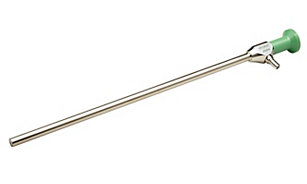
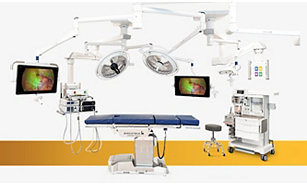
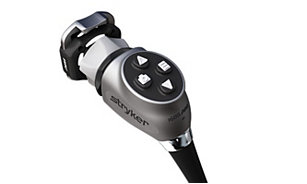
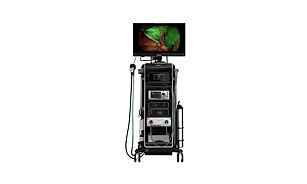
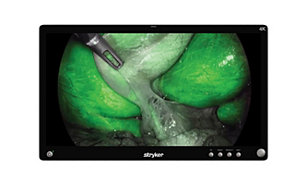
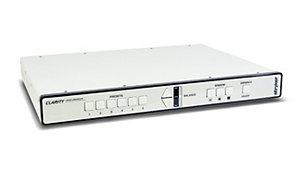
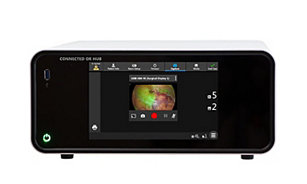
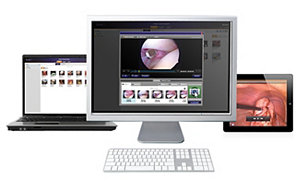
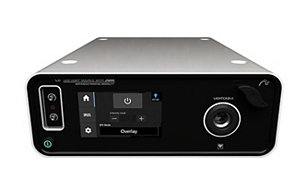
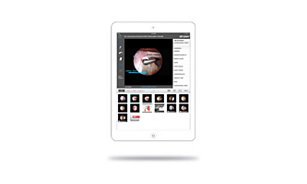
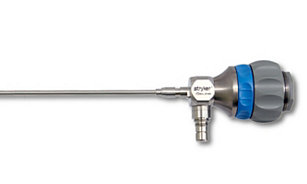
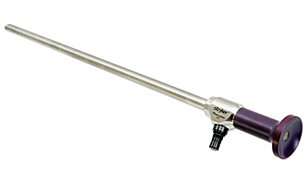
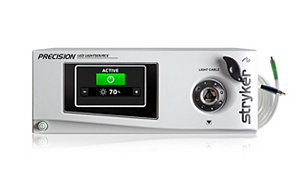
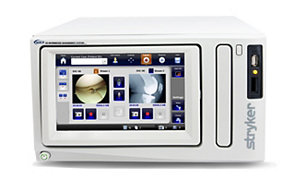
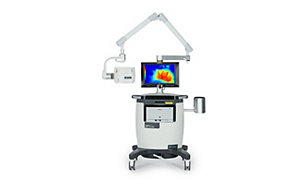
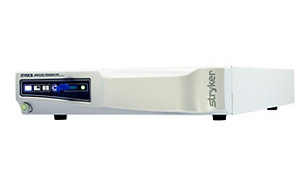
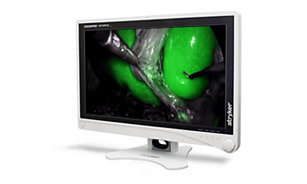
Thus, to decrease the high rate of complications in immediate breast reconstruction, it will be necessary to have a way to reliably predict tissue perfusion, so that poorly perfused tissue can be removed and only well perfused tissue used for the reconstruction. At present, clinical judgment is used to make this determination, but is inherently imprecise and often incorrect, which may account for the unacceptably high rate of complications. The SPY® Intraoperative Imaging System is a currently available tool that is able to provide a reliable intra-operative determination of soft tissue viability. This system has been successfully used in cardiovascular surgery to evaluate patency of coronary artery bypass grafts during cardiac surgery15 and has been found to be safe and easy to use.
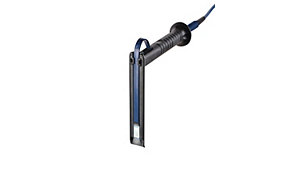
In our initial experience with twenty patients at Stanford Hospital we used the SPY® system during immediate breast reconstruction in a variety of settings. For prosthetic reconstructions, the SPY® system was particularly valuable in assessing the perfusion of skin and tissues left behind following a mastectomy. This allowed us to reliably identify marginally perfused tissue so that it could be removed prior to expander placement. In this early experience, this ability to visualize perfusion zones has been extremely helpful in eliminating non-viable skin and decreasing wound healing and infectious complications in our patients with implants. In patients who have undergone autologous reconstructions (DIEP flap), the SPY system has been helpful in delineating the location of perforators and their perfusion zones in the operating room prior to incision. Intraoperatively, it is able to assess the patency and quality of the arterial and venous anastomoses. This has virtually eliminated the incidence of early pedicle thrombosis, an observation that has been confirmed at another high volume center 16.
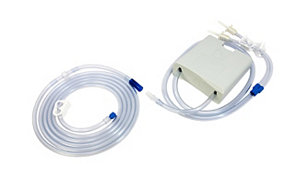
Complications following immediate breast reconstruction significantly increase health care costs. A recent study of infection following mastectomy in 949 patients demonstrated a tripling of infection rates (to 12.4%) following implant placement with an additional length of hospital stay of 4.3 days in these patients17. In infected patients, the mean cost of treatment increased from $6,123 to $16,88218. Although less well defined the costs of mastectomy flap necrosis requiring a return to the OR can be estimated at around $9,000 based on the cost of an hour of operating room time and an overnight admission. Finally, the cost of DIEP anastomotic failure can be estimated at approximately $24,500 based on an additional 4 hours of OR time and an additional two days of hospitalization. Thus looking at these three incidents alone, the average hospital performing 150 immediate breast reconstructions (66% implant, 33% autologous) spends $426,000 each year on these complications (an average of $2845 per case). This calculation includes only direct hospital-associated costs and does not reflect physician fees or costs associated with excess clinic visits, outpatient surgical procedures, antibiotic use, and home health care. Thus if the SPY system reduced the rate of infections by 50% (a conservative estimate) and decreased the other complications by 90%, it would results in direct cost savings of $2140 per patient undergoing immediate breast reconstruction.
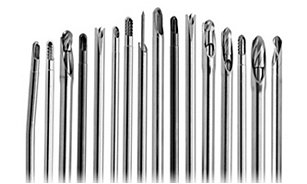
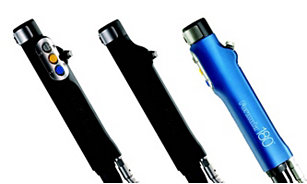
Thus we believe that the SPY intraoperative imaging system is a safe and easy tool to definitively determine perfusion at both the small and large vessel level. It has proven useful in determining tissue viability and providing angiogram-like maps of large vessels and perforators. In our experience, this has led to decreased complications for patients undergoing immediate breast reconstruction with improved cosmetic outcomes and significant savings in surgeon time and health care resources.

- Geoffrey C. Gurtner, MD, FACS; Ewa Timek, MD

Dr. Geoffrey Gurtner is a Professor of Surgery at Stanford within the division of Plastic Surgery. He is the director of breast and aesthetic surgery at Stanford Hospitals and Clinics. Dr. Gurtner is a magna cum laude graduate of Dartmouth College and an AOA graduate of the University of California-San Francisco School of Medicine. He completed a general surgery residency at the Massachusetts General Hospital/Harvard Medical School program and plastic surgery training at NYU. He received advanced training in microsurgery at the University of Texas. Dr. Gurtner is the author of over 90 peer-reviewed publications and is on the Editorial Board for the Annals of Plastic Surgery. He is also an Editor for the most widely read textbook in the field, Grabb & Smith’s Plastic Surgery.

1 Cancer Facts and Figures 2008. 2008, American Cancer Society, Inc., Survellance Research. 2 http://www.ncbi.nlm.nih.gov/pubmed/17954711?ordinalpos=8&itool=EntrezSys....
Pubmed_ResultsPanel.Pubmed_DefaultReportPanel.Pubmed_RVDocSum Tuttle TM, Habermann EB, Grund EH, Morris TJ, Virnig BA. Increasing use of contralateral prophylactic mastectomy for breast cancer
patients: a trend toward more aggressive surgical treatment. J Clin Oncol. 2007 Nov 20;25(33):5203-9. 3 American Society of Plastic Surgeons. 2007 Reconstructive Breast Surgery. 4 Sullivan SR, Fletcher
DR, Isom CD, Isik FF. True incidence of all complications following immediate and delayed breast reconstruction. Plast Reconstr Surg. 2008;122:19-28. 5. Alderman AK, Wilkins EG, Kim HM, Lowery JC. Complications
in postmastectomy breast reconstruction: two-year results of the Michigan Breast Reconstruction Outcome Study. Plast Reconstr Surg. 2002;109:2265-74. 6 McCarthy CM, Mehrara BJ, Riedel
E, Davidge K, Hinson A, Disa JJ, Cordeiro PG, Pusic AL. Predicting complications following expander/implant breast reconstruction: an outcomes analysis based on preoperative clinical risk. Plast Reconstr
Surg. 2008;121:1886-92. 7 Cordeiro PG, McCarthy CM. A single surgeon’s 12-year experience with tissue expander/implant breast reconstruction: part I. A prospective analysis of early complications. Plast
Reconstr Surg. 2006;118:825-31. 8 Chen CM, Halvorson EG, Disa JJ, McCarthy C, Hu QY, Pusic AL, Cordeiro PG, Mehrara BJ. Immediate postoperative complications in DIEP versus free/muscle-sparing
TRAM flaps.Plast Reconstr Surg. 2007;120:1477-82. 9 Andrades P, Fix RJ, Danilla S, Howell RE 3rd, Campbell WJ, De la Torre J, Vasconez LO. Ischemic complications in pedicle, free, and muscle sparing
transverse rectus abdominis myocutaneous flaps for breast reconstruction. Ann Plast Surg. 2008;60:562-7. 10 Mehrara BJ, Santoro TD, Arcilla E, Watson JP, Shaw WW, Da Lio AL.Complications after
microvascular breast reconstruction: experience with 1195 flaps. Plast Reconstr Surg. 2006;118:1100-9. 11 Khammash MR, Obeidat KA. Prevalence of ischemia in diabetic foot infection. World Journal of
Surgery. 2003: 27(7):797-9. 12 Kummer O, Widmer MK, Pluss S, et al., Does infection affect amputation rate in chronic critical leg ischemia?. Vasa. 2003: 32(1):18-21. 13 Jaccard Y, Walther S, Anderson
S et al., Influence of secondary infection on amputation in chronic critical limb ischemia. European Journal of Vascular & Endovascular Surgery. 2007: 33(5):605-9. 14 Baxter BT, Mesh CL, McGee GS,
et al., Limb-threatening ischemia complicated by perigenicular infection. Journal of Surgical Research. 54(2):163-7, 1993 Feb. 15 http://www.visionarysurgeon.org 16 Robert Allen, MD – personal communication.
17 Olsen MA, Lefta M, Dietz JR, Brandt KE, Aft R, Matthews R, Mayfield J, Fraser VJ.Risk factors for surgical site infection after major breast operation. J Am Coll Surg. 2008 Sep;207:326-35
18 Olsen MA, Chu-Ongsakul S, Brandt KE, Dietz JR, Mayfield J, Fraser VJ.Hospital-associated costs due to surgical site infection after breast surgery.Arch Surg. 2008 Jan;143:53-60